
Green Wall Guide
Learn all About Green Walls, from the Experts


Did You Know?
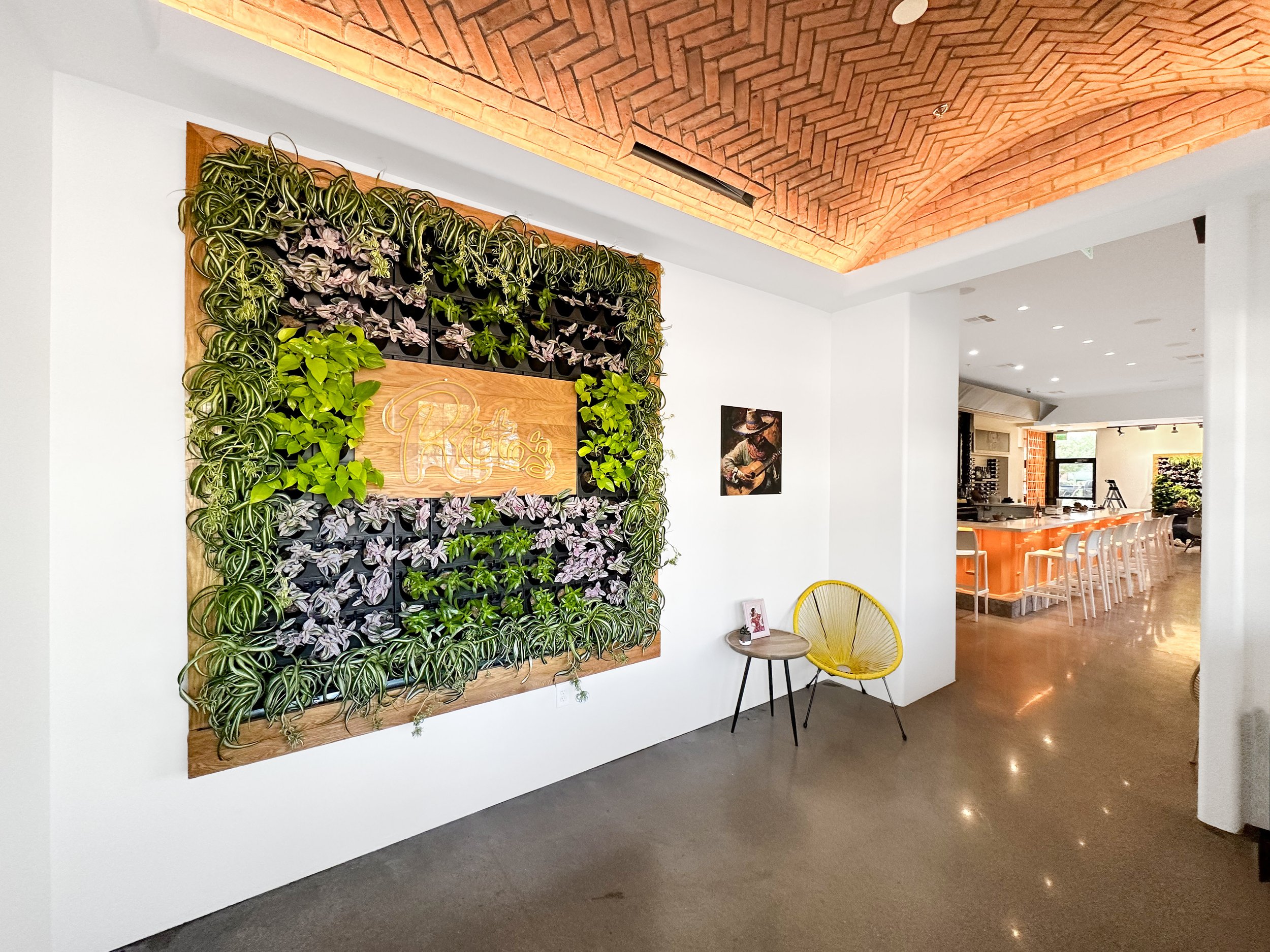
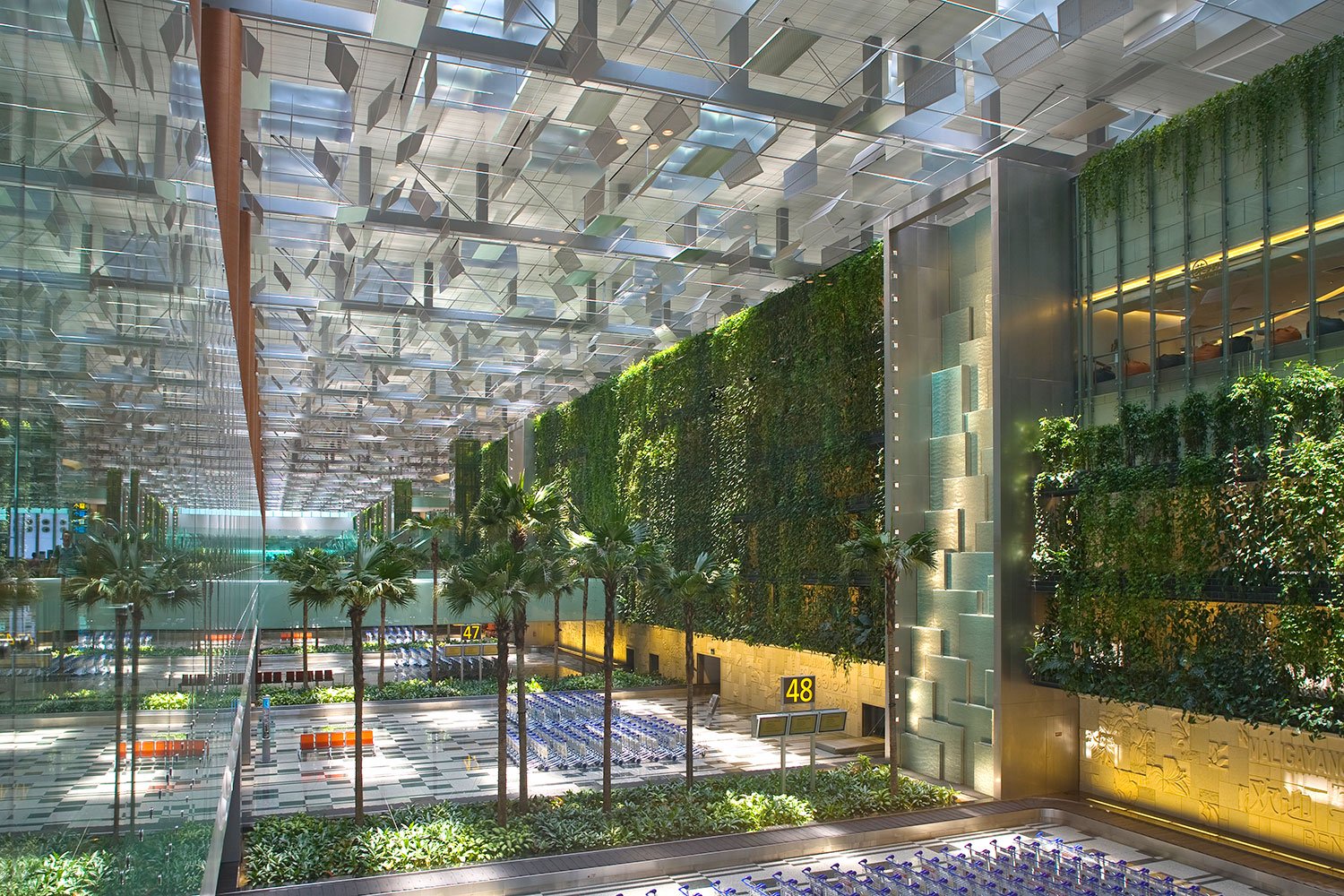
Green Walls Can be Built Indoors or Outdoors.
Although green walls can be designed to thrive in a wide variety of environments, it takes expert planning, installation and maintenance. Our green wall experts ensure the correct lighting, water and environmental conditions. We select and install proven, innovative green wall systems with sustainable water usage. Plus, we select and source only the finest plants.
Green Wall FAQs
-
A green wall, also known as a plant wall, living wall or vertical garden, is a structure that incorporates living plants, either growing directly on the wall or in modular panels.
-
Green walls offer numerous benefits. They enhance indoor and outdoor aesthetics, adding a touch of natural beauty to any space. Green walls improve air quality by filtering harmful pollutants and releasing oxygen. Green walls can reduce noise levels by absorbing and diffusing sound waves. They also help regulate temperature and humidity, creating a more comfortable microclimate. Studies have shown that living walls can also reduce stress and increase creativity.
-
A wide range of plants can be used for green walls, depending on factors such as light availability, climate, and desired aesthetics. Some popular choices include ferns, succulents, herbs, and trailing vines. These plants are often selected for their ability to thrive in vertical environments, their low maintenance requirements, and their adaptability to varying light conditions. It's essential to consider the specific needs of the plants and ensure they are compatible with the intended location and environmental conditions of the green wall.
-
Proper maintenance is crucial to ensure the health and longevity of a green wall. Regular tasks include watering, fertilizing, pruning, and monitoring for pests or diseases. Irrigation systems can be automated to ensure plants receive adequate water, but periodic manual watering might also be necessary. Fertilization is typically done with slow-release fertilizers or organic alternatives. Pruning helps control plant growth and maintain the desired shape and appearance of the green wall. Hiring plant professionals is recommended to ensure the plants are thriving.
-
Green walls help the environment by bringing us closer to nature, in spaces that may otherwise be without plants or greenery. Studies have shown that people care more about the environment when they feel closer to nature. In urban environments, green walls provide sound absorption and help to deter the heat island effect. Green walls also use water responsibly. They are more water-efficient through the use of drip irrigation and water recycling.
Green Wall Systems
-

Panel System
AKA “Module.” Plants are removed from pots and planted into panels.
-

Pot Rack System
Variant of a Tray System.
-

Tray System
Trays hold potted plants and water.
-

Container System
Plants are removed from their pots and planted into pouches.
-

Felt System
Plants are removed from pots and inserted into slit in fabric covering medium matrix.
-

Moss System
Preserved moss is attached to a substrate.
Green Wall Project Gallery




Explore Our Green Wall Blog


Ready to Get Started?
Not sure which service is right for your space? Schedule a free consultation and our plantscaping experts will help you select the best way to go green.